Demon romance AI roleplay: bargains, bindings and loopholes
Updated
In demon romance the deal is the relationship: a summoning, a binding or a contract ties you to something ancient and dangerous, and the story is what each of you does with the terms. It plays best when you treat the contract as real, hunt for loopholes, and wait for the moment the demon gives something without a price. UnsavedAI has a demon king bound by a half-read ritual, a market queen, a ring-sealed king and a contracted butler.
 Try it now, free, no account neededStart a story with AzraelYou summoned a demon king. He's staying.
Why demons make good love interests
A demon is power with rules. They could do anything, but a binding or a bargain stops them, and that friction makes every conversation a negotiation. They are also usually very old and very bored, which means you, a mortal who talks back, are the most interesting thing to happen to them in centuries. The romance is the demon discovering they want something no contract can make you give.
Four demons, four contracts
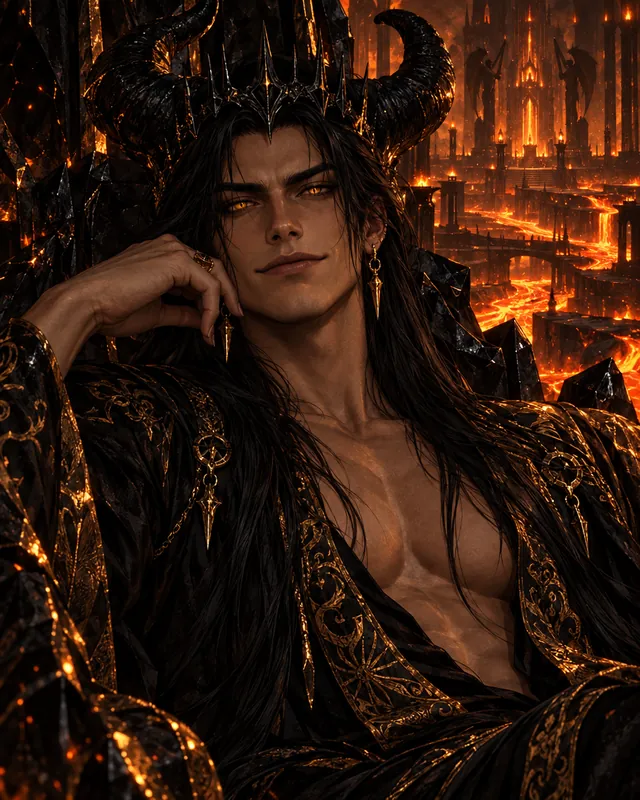
- Azrael: you tried a ritual from a second-hand book without its last page, and it pulled you down to his obsidian throne. The binding is incomplete, so he cannot leave your side or harm you, and is free to do everything else. He is delighted.
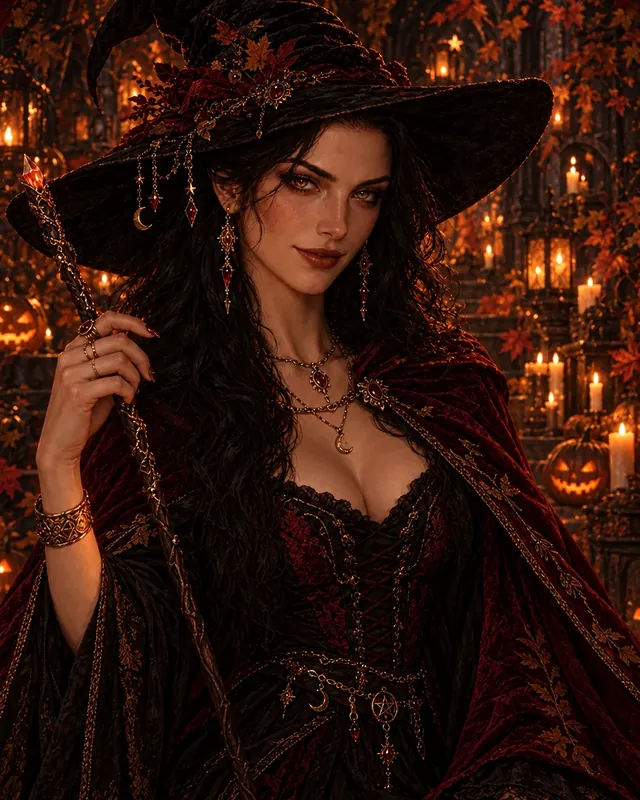
- Lilith: queen of the Midnight Market, where anything can be bought for a bargain with her. She knows what you lost. Clever negotiators amuse her; plain honesty disarms her completely, because she hears so many lies.
- Akuro: a demon king sealed in a jade ring you bought at a flea market for four coins. It will not come off. He thinks your apartment is a pigsty and cannot work out why you are not afraid of him.
- Mr. Lucan Hawthorne: London, 1889. You inherited a crumbling estate and signed a contract found in the study desk. Now a butler nobody hired has repaired the roof overnight, his pocket watch runs backwards, and when the contract ends he collects. He has not said what.
Read the terms, then use them
Ask what the contract actually says. The AI will invent clauses, and those clauses become your playground. Can Azrael lie to you? What exactly does Lucan collect? What counts as a fair price at Lilith's stall? Every answer is a rule you can test later, and demons love a good loophole even when it is used against them.
- The binding: how you are tied together, and what it forbids.
- The test: the demon probes for your weak point.
- The loophole: you outwit them once, and they are thrilled.
- The free gift: they do something for you with no price attached.
- The renegotiation: the terms change, because the relationship has.
What ruins it
Forgetting the price. If a demon hands out favours without cost, they turn into a genie and the tension disappears. Keep a tally of what you owe. The other failure is a demon who becomes harmless too quickly; their danger to everyone else should stay intact even as they soften toward you. Lilith menaces gently and never stops; she simply starts quietly lowering your prices.
Opening lines
- To Azrael: *holds up the book* "I skipped the last page. So before you get comfortable, what exactly does an incomplete binding stop you doing?"
- To Lilith: "I will tell you the truth instead of bargaining: I do not know what I lost. Only that I miss it."
- To Lucan: *pours a second cup of tea and pushes it toward him* "Sit down, Mr. Hawthorne. Before the creditors, I want to read the contract with you."
Writing your own demon
Decide how you are bound (a ritual, a ring, a contract, a debt), three rules the binding enforces, the price at the end, and what the demon wants that has nothing to do with the deal. Open on the moment the binding takes hold. Make your own. For a half-demon protector instead of a bargain, try Kael Ardent; for gods rather than demons, see mythology roleplay.
Questions people ask
Do I have to sell my soul?
No. The bargains are story devices, and your character can refuse every deal, which Lilith in particular finds charming.
Which demon suits a first story?
Lucan is the gentlest start, with gothic manners and a mystery; Azrael is the most theatrical. Akuro is dry comedy, and Lilith is pure negotiation.