How to write combat and fight scenes in roleplay
Updated
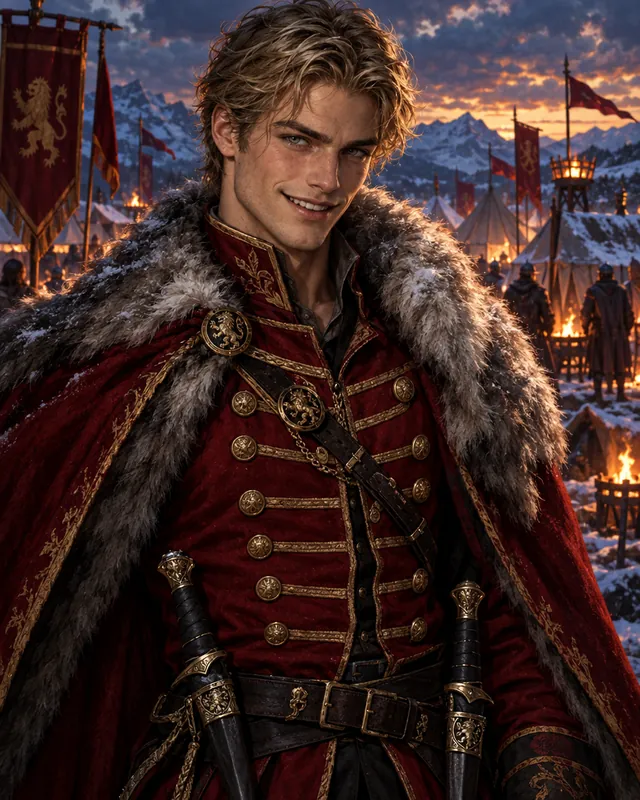
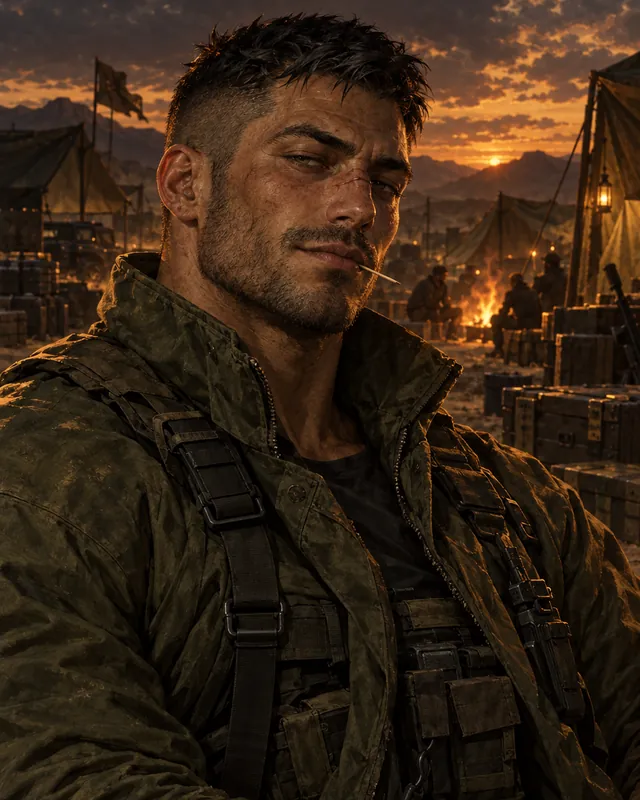
Write combat as attempts: describe what your character tries and leave whether it lands to the other side. Keep each message to one beat, use the space around you, and give the fight a way to end that is not just a death. On UnsavedAI, Shiro, Viktor Sable and Ronan Kade are built for fights, and a short OOC note keeps replies tight while blades are out.
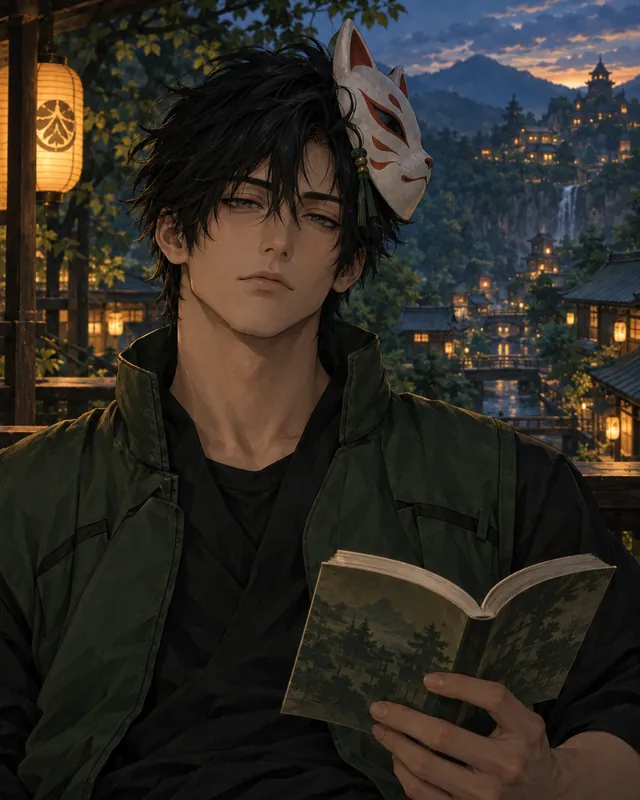 Try it now, free, no account neededStart a story with ShiroYour ninja instructor is late, lazy and lethal
Attempts, never god-moding
"God-moding" is the roleplay word for writing your hits as certain and your opponent as helpless. It ends fights instantly and leaves the other side nothing to do.
God-moding: *I slash his throat and he falls dead.*
An attempt: *I feint high, then cut low at his knee, already stepping wide in case he reads it.*
The second gives the character a real choice, block, dodge or take the hit, and tells them how you fight: tricky, cautious, fast. The rule runs both ways. A character may swing at you, but if a reply decides how you react, edit that part out. Getting hit is fair; being moved like a puppet is not.
One beat per message
Long fight paragraphs read like a summary of a fight. Real tension comes from trading single moves: you act, they react and act, the situation changes, your turn again. Three or four sentences a side is plenty.
If the AI starts resolving the whole battle in one reply, rein it in: (OOC: fight scene. One move each per turn until it is over.) Drop the note when the fight ends so quieter scenes can breathe again.
Use the room
Fights with nothing around them become lists of punches. Name two things in the space in your first combat message, and both of you will start using them: a lantern, a table, mud, a rope, a staircase.
Viktor Sable starts in your command tent with his boots on your map table and two daggers set down, sheathed, as a courtesy. That is a battlefield already: a table to flip, figs to throw, a lamp, a tent wall you could cut through. Shiro meets you on a training field under an old cedar and starts the first lesson from a branch overhead.
A sparring round with Shiro
You: *I come in fast with the practice blade, aiming for the hand holding the book, betting he'll protect the novel before himself.*
Shiro: *He turns a page. Your blade passes through the space where his wrist was a moment ago.* "Good instinct. Wrong book. I already finished this one." *His foot sweeps lazily toward your ankle.* "Still, trainee. You telegraph with your shoulders."
You: *I jump the sweep, land badly, and use the stumble to grab a fistful of his vest.* "Then I'll stop aiming at you."
Each turn is one move and one reaction, the outcome stays open, and the character's personality shows through the fighting. That is the whole technique.
Stakes other than death
A fight to the death has one outcome worth writing. Fights with other goals have dozens:
- An objective: grab the ledger, hold the bridge until the bell, get the hostage out.
- A limit: first blood, first to yield. Viktor keeps a running score and never harms anyone who surrenders.
- An escape: the fight is only there to buy ten seconds.
- A mismatch: Ronan Kade has no powers against a man who throws fire, so every fight with him is about cover, timing and dirty tricks.
- A rivalry: Mira Okafor is after the same bounty as you, so every scuffle with her is also a negotiation over who gets paid.
Then let injuries count. A cut forearm should still hurt two scenes later; mention it in your own messages, and add lasting wounds to Story memory (⋯ menu) for long fights.
Questions people ask
Should I use dice for fights?
Only if you want a game rather than a story. An AI dungeon master handles rolls and hit points; for narrative fights, attempts and reactions are enough.
The AI lets me win every fight. What do I do?
Ask once: (OOC: my attacks can miss, and he fights to win.) Reroll the next easy victory, and choose versions where your character pays for mistakes.
How graphic can fight scenes be?
Mature fiction between adult characters is allowed. Set the level you want with an OOC note, from bloodless choreography to grim.