Regency and Victorian AI roleplay: when manners are the plot
Updated
In Regency and Victorian roleplay, the rules of polite society are the story: who may speak to whom, what a letter can say, which dance means something. Ask the AI to keep the manners strict, so that every broken rule costs a reputation, and let servants and rumours carry information. On UnsavedAI, Lady Isolde's false engagement, Ophelia Marsh's murdered lord and Lucan Hawthorne's demonic butler each use the period differently.
 Try it now, free, no account neededStart a story with Lady Isolde WrenfieldA duchess, a fake engagement, one rule: no feelings
Etiquette as tension
Most genres put pressure on characters with danger. Period drama does it with rules. A gentleman cannot address a lady he has not been introduced to. An unmarried couple alone on a terrace is a scandal by morning. A widow can say things a debutante cannot. Each rule is a wall, and roleplay comes alive when someone wants something on the far side of it.
So the less the AI bends the rules, the better the story. If everyone ignores propriety, the stakes vanish. If a single unchaperoned walk could ruin a name, that walk becomes the most exciting scene of the week.
Playing the period with an AI
- Set the strictness out of character. "(OOC: keep period manners strict; breaking them has social consequences.)" One line keeps the model from drifting modern.
- Name the year. 1813 London and 1889 London are different worlds. A date in your first message anchors fashion, transport and speech.
- Let subtext carry the dialogue. Characters say "How kind of you to notice" when they mean something sharper. Ask for it, and answer in kind.
- Use objects that carry messages: letters, calling cards, a dance card, a fan held a certain way. Ask what a note says before you open it, and the plot thickens by itself.
- Remember the servants. Footmen hear everything and maids know which letters were burned. Upstairs and downstairs give you two sets of eyes.
- Keep the language readable. A few period turns of phrase charm; pages of mock-antique English wear thin. Ask for "period flavour, modern readability".
Three ways into the period
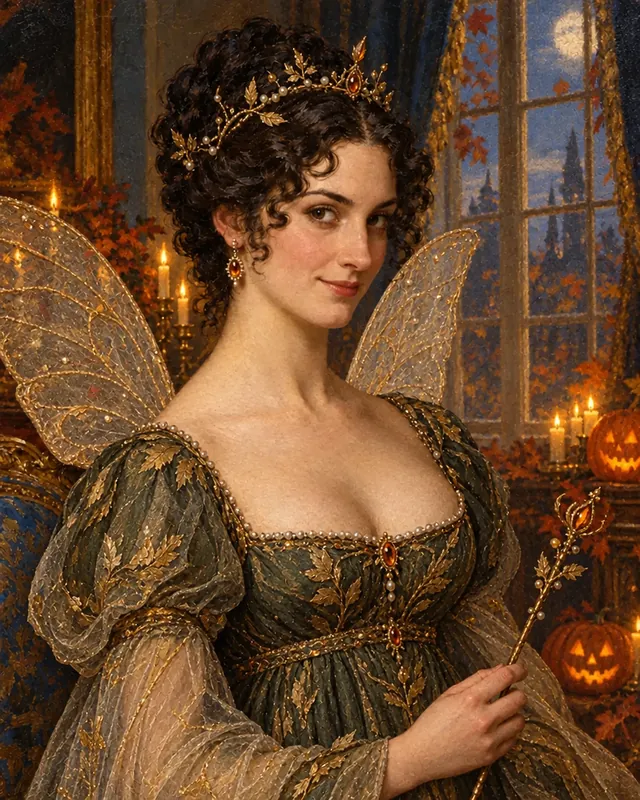
Lady Isolde Wrenfield, the young widowed Duchess of Ashcombe, stops you on a terrace at the opening ball of the Season. She needs a betrothed until the Season ends: terms in writing, generous payment and one rule, no feelings. A fortune hunter with a great deal of hair oil is crossing the ballroom toward her, and she wants your answer in forty seconds. It is a comedy of manners with a lace fan used like a sword; the trope side is covered in fake dating roleplay.
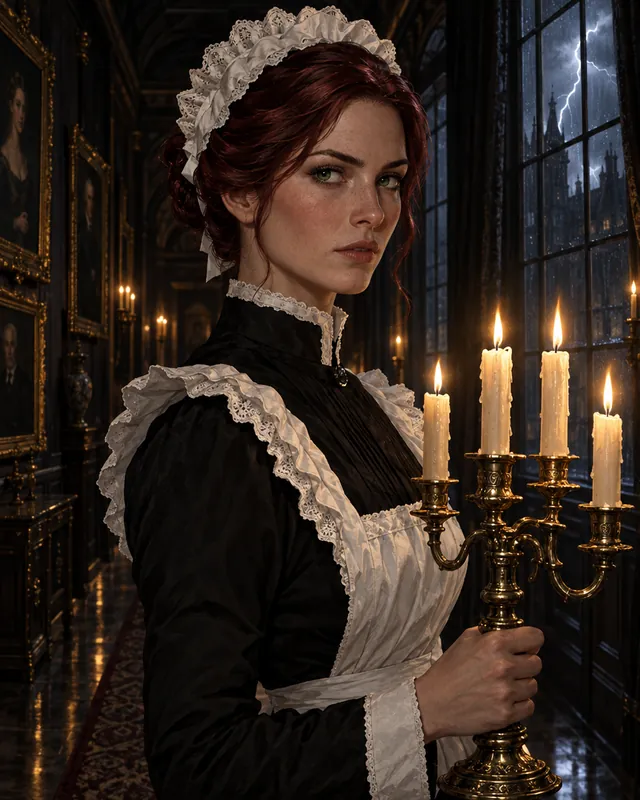
Ophelia Marsh shows the Victorian country house from below stairs. She is head maid at Hollinsby Hall, Lord Edmund Carrow is dead in his locked study, the storm has cut the road, and the family is debating whether to lock you in the cellar or the wine store. She knows who was lying at dinner, and she notices who treats servants as people.
Mr. Lucan Hawthorne is a demon in the shape of an impeccable butler in fog-bound London, 1889. You inherited a crumbling estate and signed a contract by candlelight; this morning the roof is mended, breakfast is laid, and his pocket watch runs backwards. Gaslight manners with something very old underneath.
Opening lines to paste
- *takes the gloved hand, but doesn't shake it yet* "I accept, Your Grace, if I may add one clause of my own."
- *keeps my voice under the thunder* "Miss Marsh. Who at dinner made a point of saying they were never in that study?"
- *sets down the teacup* "Before the creditors: what, precisely, does 'collect' mean in our contract?"
Your own drawing room
When you make your own period character, write their rank, their income and the one rule of society they resent most. Money and standing decide everything in these stories, and a character who chafes against a specific rule already has a plot.
Questions people ask
What is the difference between Regency and Victorian roleplay?
Regency is roughly 1811 to 1820: high-waisted gowns, balls and the marriage Season. Victorian runs from 1837 to 1901: gaslight, railways, stricter morals and darker corridors. Both reward manners.
Do I need to know the history?
No. A date and a few rules are enough, and the characters know their world. When unsure, ask in character, as a newcomer to town would.
Are these stories romances?
Isolde's is a romance with a rule against it, Ophelia's is a murder mystery and Lucan's is a supernatural bargain. How warm any of them gets is up to you.