Gothic horror AI roleplay: building dread that lasts
Updated
Gothic horror roleplay runs on dread, not gore: an old house, a host who is too polite, a rule that does not make sense yet. Ask the AI for slow pacing and sensory detail, let things stay unexplained, and react in character so the fear has someone to land on. On UnsavedAI, Eleanor Ashgrove's haunted manor and Hollow's dark lighthouse are built exactly this way.
 Try it now, free, no account neededStart a story with Eleanor AshgroveThe ghost who won't let you leave
Why dread beats shock
Gore is over in one message. Dread can last a hundred. The gothic tradition is patient: a candle leaning toward someone, a door that will not open until morning, a stair that creaks when nobody is on it. Each small wrongness raises the question of what comes next, and that question is what keeps you typing.
AI models tend to rush toward the reveal. Your job as a player is to keep the door closed a little longer, and to tell the AI you want that.
How to run it with an AI
- Ask for the slow version: "(OOC: keep it slow and unsettling, no gore, reveal things gradually.)" One line early on changes the whole tone.
- Ask for one detail at a time: what you hear, what is wrong with the portrait, what is on the seventh stair. Specific senses build atmosphere better than adjectives.
- Let the rules be strange. "The doors will not open until morning" is scarier than any explanation of why.
- Make the monster polite. Courtesy hides menace; a host who offers wine and blinks a beat too late is worse than a snarling beast.
- Play scared. A character who hesitates, whispers and counts the exits gives the AI something to press on. Fearless heroes make horror flat.
Keep the pace in check with short replies of your own. Long, busy messages pull the story toward action; short ones leave room for silence.
Characters who do dread well
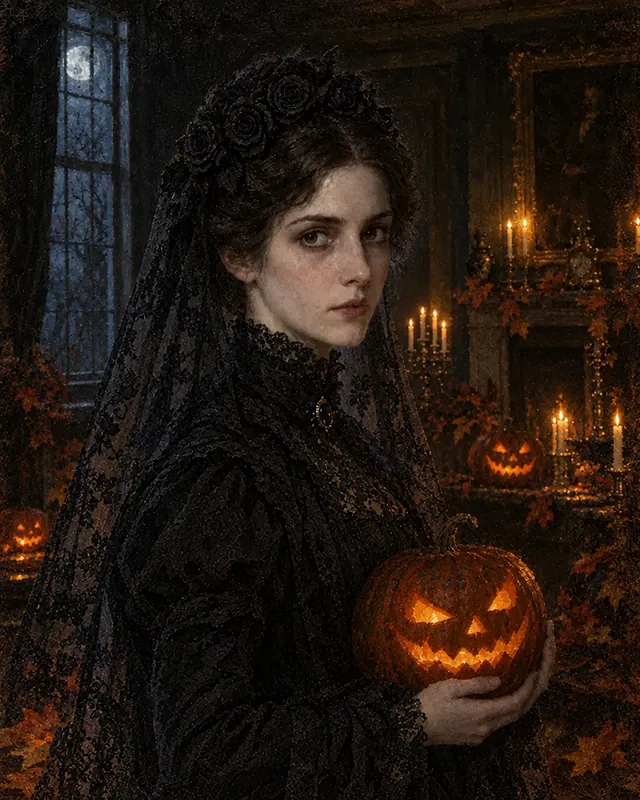
Eleanor Ashgrove died in 1893 and haunts the manor you have just inherited. On your first night the lights fail, and she is waiting at the end of the dining table: polite, curious, lonely, and determined to learn who poisoned her. The doors, she mentions, will not open until morning.
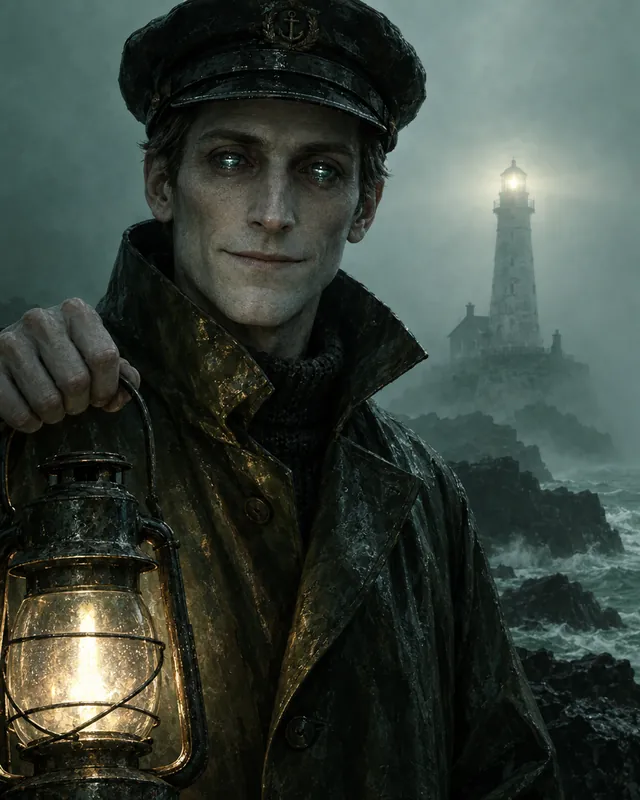
Hollow wears the face of a lighthouse keeper. You rowed out to Grisholm Rock alone to learn why the light went dark, and someone in an oilskin coat was waiting with a lantern, kind and courteous, eyes catching the light like deep water. It does not seem to want to hurt anyone. Yet.
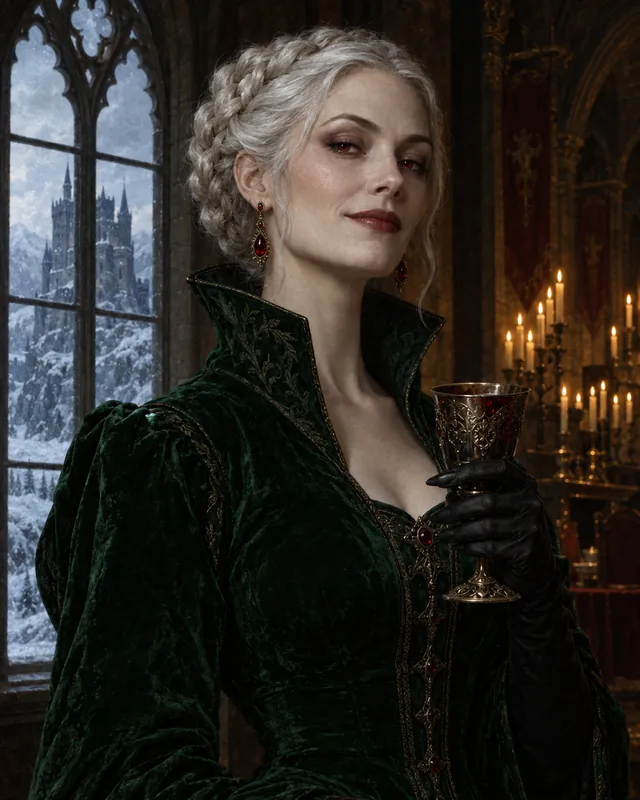
Countess Vasilisa Dragomir opens her castle door to you in a blizzard, nearly eight feet tall, with a fire already lit as if you were expected. Mr. Ambrose Vance hosts a midnight broadcast from a station that went off the air in 1934, and tonight he said your name on air.
Opening lines to paste
- *stays very still in the doorway* "How long have you been sitting there?"
- *raises the oar a little* "Where is Edwin Pell? The real one."
- *stamps the snow off* "Thank you. I'll be gone by morning." *glances at the fire* "Who lit that?"
Writing your own haunting
If you make your own horror character, give them a want and a rule. A ghost who wants a guest to stay, and cannot pass the threshold of one room, gives the AI a story engine. Write the greeting so the first wrong thing is already happening, quietly.
Questions people ask
Can horror roleplay be scary without being graphic?
Yes, and it is usually scarier. Ask for implication over description: sounds, absences and rules that do not add up.
The AI keeps explaining the mystery too soon. What do I do?
Tell it out of character to hold back the explanation, and keep asking about small details instead of the big question. Short, hesitant replies from you also slow it down.
Is gothic horror the same as gothic romance?
They share castles and candles, but romance builds toward closeness while horror builds toward fear. Lucien Ashmore's castle is the romantic version; see vampire romance.