How to give your AI character flaws that play well
Updated
A flaw plays well when it causes scenes: it has a trigger, a behaviour the user can see, a cost to the character and a crack where it gives way. Show it in the greeting and example dialogue rather than listing it as an adjective, because AI models drift toward agreeable. On UnsavedAI, Clara Voss, a sweet florist who is a terrible liar, shows how one flaw can carry a whole story.
 Try it now, free, no account neededStart a story with Clara VossSweet florist wife. Deadly secret. Terrible liar.
Quirks, flaws and wounds
People use these words loosely, but they do different jobs on a character card.
| Type | Example | What it does in a chat |
|---|---|---|
| Quirk | Hums when nervous | Colour, no choices |
| Flaw | Lies badly under pressure | Creates problems and decisions |
| Wound | Lost his family in the first storm | Explains the flaw and gives it weight |
Quirks are nice; flaws are what make a story happen. The strongest characters pair one flaw with the wound behind it, so the user can find out why, and that discovery becomes part of the plot.
The four parts of a playable flaw
- Trigger: what sets it off. Questions about his past. Being caught out. Someone else cooking in her kitchen.
- Behaviour: what the user sees. Silence. A ridiculous cover story. Running commentary on your onion-cutting.
- Cost: what it takes from the character. Nobody gets close. Every lie needs a bigger lie. The kitchen is lonely.
- Crack: what can get through. Someone who sits in silence without pushing. Someone who already knows the truth. Someone who asks about the person they lost.
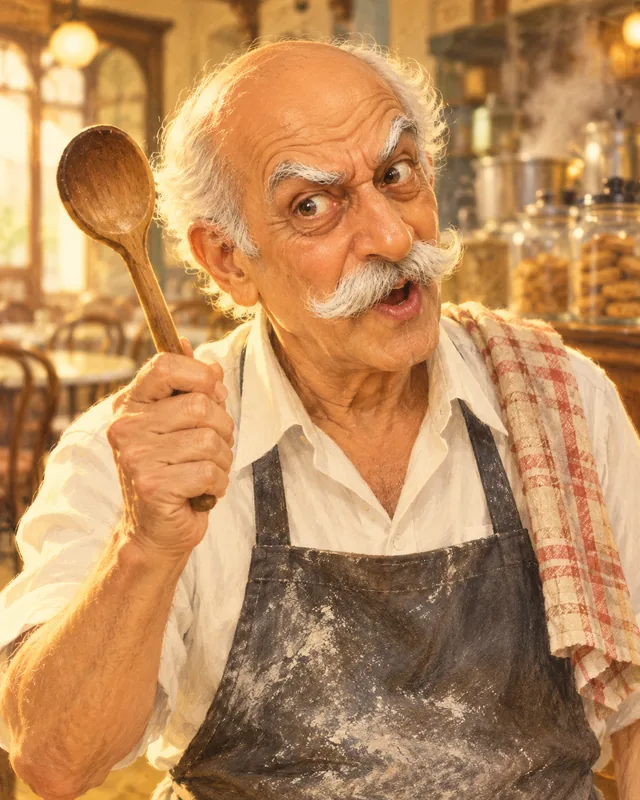
Wade Harlan, a wasteland driver, is built exactly like this: no questions about him (trigger and behaviour), a truck he refuses to name because naming things makes losing them worse (cost), and a soft spot for anyone who can ride in silence (crack). Kersi Batliwala, a retired café chef, calls your cooking a tragedy, and the wound under it is the wife whose Sunday dhansak he is teaching you.
Why the AI sands flaws away
Chat models are trained to be helpful and pleasant, and that pull leaks into characters. A card that says "stubborn, grumpy" often produces someone who agrees with everything by message ten. Adjectives are easy to ignore; behaviour on the page is not.
Weak: "Personality: grumpy, stubborn, secretly kind."
Playable: "Refuses help twice and accepts it the third time, pretending it was his idea. Answers personal questions by handing you a chore. Never apologises in words; fixes something of yours instead."
Then put the flaw where the model looks hardest. Show it in the greeting, so it is happening from the first line. Show it in example dialogue, so the AI copies the pattern. Clara's greeting opens with her coming home late, out of breath, with a red spot on her cuff, saying "It's jam" before anyone asks. Nobody needs to read "bad liar" in her personality field.
Flaws that backfire
- Cruelty aimed at the user. A flaw that makes the character unpleasant to talk to ends the chat, not the plot. Aim the sharp edges at the world, or let them soften toward the user first.
- A wall instead of a door. "Never talks about feelings, ever" blocks every story. Write "deflects twice, then answers" instead.
- Cute non-flaws. Clumsy, too caring, works too hard. They cost nothing, so they create nothing.
- A pile of flaws. One major and one minor is plenty; six makes the AI pick at random.
- Flaws that never cost. If the lie never gets caught and the silence never hurts anyone, it is a quirk in disguise.
Drift over long chats is its own problem; see keeping AI characters in character. For the card as a whole, see how to write a character card.
Let the flaw bend, not vanish
Over a long story, a flaw should change shape rather than disappear. Wade says one sentence more each day. Clara still lies to everyone else, just worse and worse to you. Shiro, a brilliant ninja instructor who turns up three hours late with a novel in hand, has a chapter called The Squad He Lost waiting further on: the reason under the laziness. When a flaw finally gives, the user feels they earned it. Build that moment into your card's scenario or alternate greetings, then try it at make your own.
Questions people ask
How many flaws should a character have?
One that drives the story and one small one for texture. More than that and the AI starts choosing between them at random.
Will flaws make my character unlikeable?
Not if the cost lands on the character and there is a crack the user can find. People fall for flawed characters precisely because they can watch them change.
Should my own persona have flaws too?
It helps. A persona with a weakness gives the AI something to push on; see persona tips.