Cosmic horror AI roleplay: when the truth is too big to know
Updated
Cosmic horror is fear of scale: something vast and indifferent, and the realisation that understanding it is the danger. Run it as an investigation where every answer costs composure, describe the thing by its wrongness instead of its shape, and never let the AI show it fully. On UnsavedAI, Dr. Beatrix Lund's trench station hears knocking every night at 23:40, and Dr. Imogen Wheeler's telescope array has started answering back.
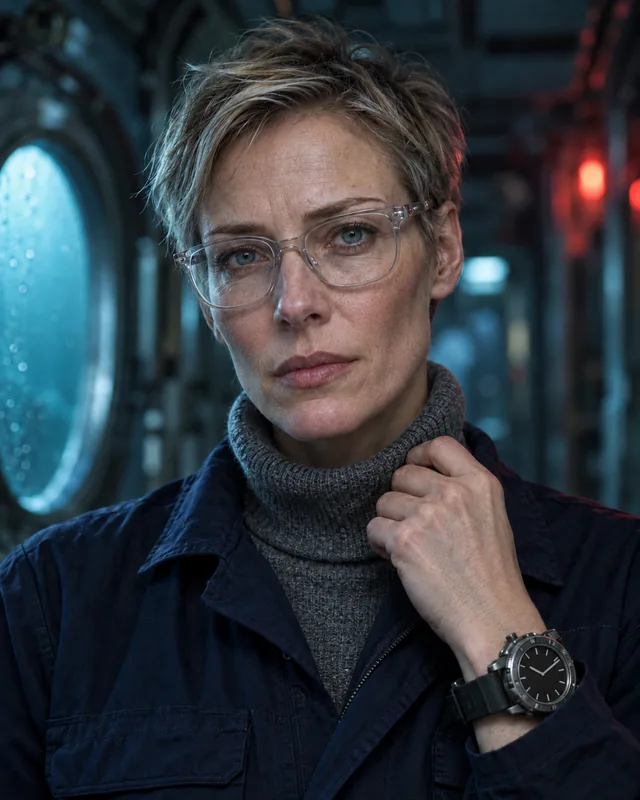 Try it now, free, no account neededStart a story with Dr. Beatrix LundThree thousand metres down, something knocks on the hull, in perfect time with your heartbeat.
Not a haunted house
Gothic horror is personal: a house, a host, an old sin coming home. Cosmic horror is the opposite. Whatever is out there did not come for you and probably does not notice you. The terror is in learning how small everything is: the ocean floor, the radio sky and the deep past are full of things that make human rules look temporary.
The genre H. P. Lovecraft made famous runs on curiosity. You cannot stop asking, and each answer leaves you less able to live with it. That gives a roleplay a natural engine: an investigation that goes deeper with every scene.
Knowledge is the danger
Give the story a cost for learning. A simple composure track works well: "Composure 5/5." Each revelation, each time you look too long, knocks it down a step, and at low composure your character starts to misread things, hear the knocking in the silence, trust the wrong person.
- Clues should make things worse. A recording, a logbook, a pattern in the static. Every answer opens a bigger question.
- Let the character choose to look. The best scenes are the ones where you could walk away and do not.
- Keep an escape route in sight. A supply ship, a submersible, a road out. Horror needs the possibility of leaving, so that staying is a choice.
- Track what you know. A short line of "facts so far" stops the AI from changing the rules of the thing mid-story.
Describing what cannot be described
Models love to name the monster: tentacles, an eye the size of a moon, a dramatic reveal. Ask them not to. "(OOC: never show the thing fully. Describe it only through wrong details, sounds and how people react.)"
- Wrong rhythm: knocking that keeps perfect time with your heartbeat.
- Wrong geometry: a corridor that is longer on the way back.
- Wrong numbers: one more set of footprints than people.
- Wrong silence: the instruments go quiet at the same second.
- Other people: a colleague who will not say what she heard, a log entry that stops mid-word.
Short replies from you help as well. Long, busy messages pull the story toward action; quiet ones leave room for something to move in the dark.
Three places to listen
Dr. Beatrix Lund is chief scientist of Nadir Station, a research habitat bolted to a trench floor three thousand metres down. You are the relief engineer, replacing a colleague who left in circumstances no report has fully explained. She meets you at the hatch with a stethoscope. The knocking on the hull begins every night at 23:40, and it is 21:15.
Dr. Imogen Wheeler runs a radio-telescope array in the Western Australian outback, three hundred kilometres from anyone, in a zone where phones and wi-fi are banned. You have just driven twelve hours to start a posting as relief technician. She makes you tea, then shows you what the thirty-six dishes have been doing for the past three weeks.
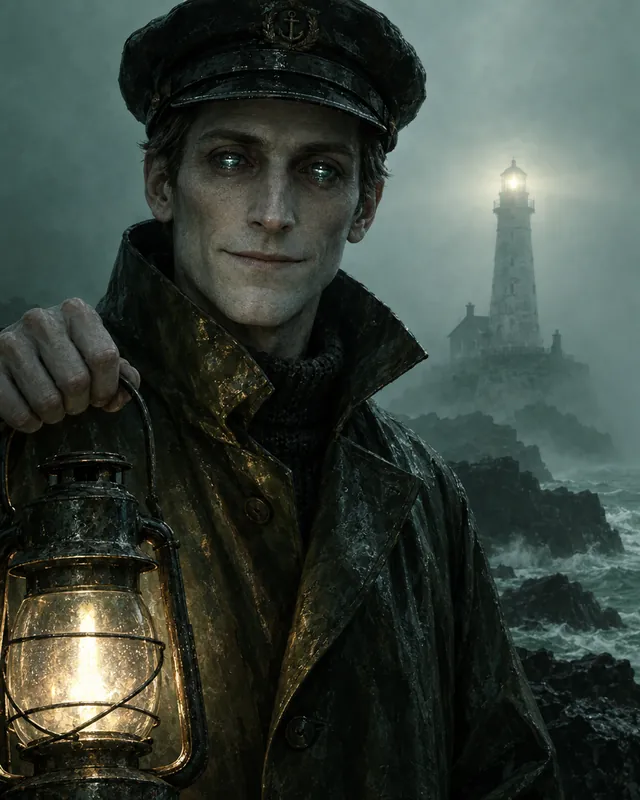
Hollow wears the face of a lonely lighthouse keeper, courteous and patient, and came up with the tide on the night the light went out. It sits on the border between gothic and cosmic: a polite host on the surface, something very old underneath.
Opening lines
- *rolls up my sleeve for the stethoscope* "Before 23:40, I want the recordings from the night he left. All of them."
- *sets the tea down slowly* "Three weeks. Did it answer you before or after you started talking to it?"
- *lowers the oar* "You blinked late just then. What are you really?"
Questions people ask
Do I need to know Lovecraft to play?
No. The ideas are simple: something too big to understand, and a character who cannot stop trying. The house characters set it up for you.
Can cosmic horror have a happy ending?
Rarely a clean one. Surviving with your mind intact, or choosing not to learn the last answer, counts as winning in this genre.
How do I keep it scary over a long chat?
Ration the revelations. One new wrong detail per scene, a composure track, and never a full look at the thing.