AI too agreeable? How to add stakes and real consequences
Updated
AI characters agree because chat models are trained to be helpful, and in a story "helpful" means saying yes and letting your plan work. Counter it three ways: narrate your own setbacks so failure is on the table, give characters wants that clash with yours, and ask outright for refusals and costs. On UnsavedAI, a Story memory line such as "plans can fail and choices cost something" keeps it steady.
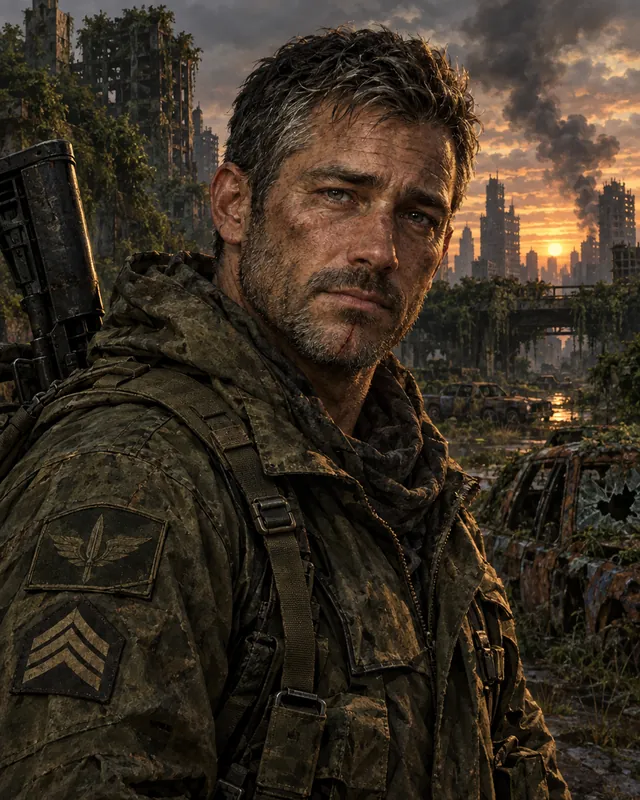 Try it now, free, no account neededStart a story with Sgt. Cole MercerYou made it to his gate. You're hiding a bite.
Signs you are talking to a yes-machine
- Every lie you tell is believed.
- Locks open, guards look away, the first door you try is the right one.
- Characters who should be hostile come round within two messages.
- Injuries, debts and threats are gone by the next scene.
- The character asks what you would like to happen next.
Each is harmless once. Together they mean nothing you do matters, which is why a story can feel thin even when the prose is good.
Why the model wants you to win
Chat models are tuned on feedback from people rating answers, and accommodating answers rate well. In fiction that habit turns your action into a request the model grants. It is also wary of upsetting you, so it softens blows and rescues you from bad decisions. None of that is a judgment on your story; it is a default you write against.
For antagonists in particular, writing a great villain covers the leverage and code that stop them folding. This page is about stakes across the whole story: locks, lies, wounds, weather, money.
Put failure in your own turns
The fastest fix is to stop waiting for permission and fail on your own. When your character lies, write the tell: *I say I've never seen the man, and my voice cracks on "never".* When you pick a lock, narrate the scrape that echoes down the corridor. Models build on what you hand them; hand them a weakness and they use it.
With Sgt. Cole Mercer, at whose gate you arrive hiding a bite:
You: "I'm fine. Just a scratch from the fence." Agreeable reply: *Cole nods and waves you through.* "Get some rest." Reply with teeth: *Cole doesn't open the gate.* "Then you won't mind rolling up that sleeve." *The rifle isn't pointed at you. It isn't pointed away, either.* "Everyone who comes through here says fence."
If you get the first kind, reroll it, or edit the agreement into a condition. The second is the story you came for.
Ask for it outright
- (OOC: let my plans fail when they're weak; don't rescue me.)
- (OOC: she doesn't believe me. Make me work for it.)
- (OOC: this fight should cost me something that lasts.)
- (OOC: roll honestly. If the dice say I fail, I fail.)
Dice take the decision out of the model's hands, which is why tabletop-style characters feel fairer. Grimm writes rolls into the reply, and Greer Kettering's island survival game keeps a running tally of water, food, warmth and morale that really can run out.
Make it hold for the whole story
In a card you write, give the character a want that conflicts with yours and a couple of "never" lines: "Never lends money. Never forgives a debt unpaid." Ronan Kade, a mercenary who offers no mercy and wants money you don't have, is built that way. The aim is not hostility; it is a world with interests of its own.
In SillyTavern, a standing line in the Main Prompt or an Author's Note keeps the rule close to the newest messages: "Actions have realistic consequences; NPCs pursue their own goals and refuse unreasonable requests." In JanitorAI, the same sentence goes in a proxy's custom prompt. On UnsavedAI, add it as one bullet in Story memory (⋯ menu), and when a reply hands you a free win anyway, try Another version.
Questions people ask
Will the AI turn cruel if I ask for consequences?
It follows your lead. Realistic consequences means locks that hold and lies that get caught, not misery for its own sake; say in OOC where your limits are.
Why does my character heal instantly?
The model forgets injuries nobody mentions. Bring up the limp in your own turns, and keep it in a memory note until it heals.
Does a higher temperature make the AI less agreeable?
Not really. Temperature changes word choice, not attitude. Character wants, standing instructions and your own narrated setbacks do the work.
Characters for this story
Sgt. Cole MercerYou made it to his gate. You're hiding a bite.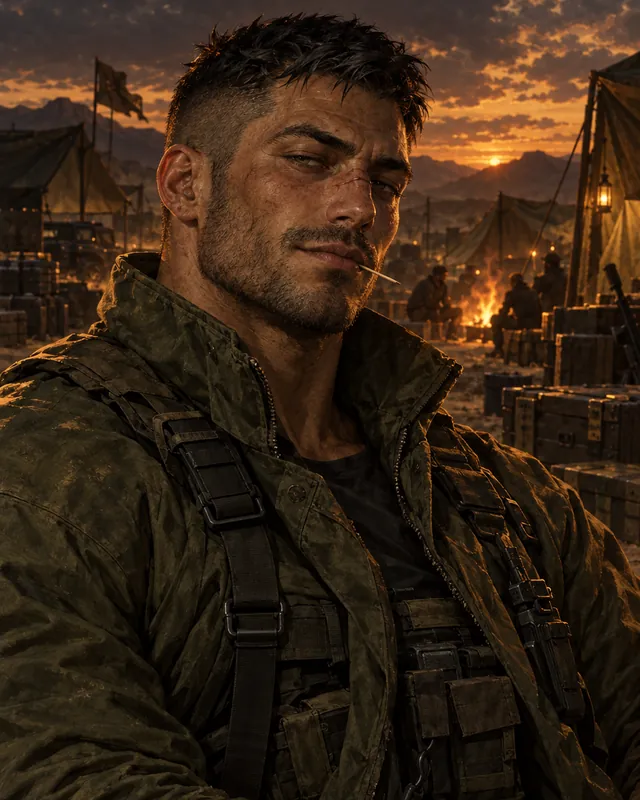 Ronan KadeNo gifts. No mercy. Paid in money you don't have.
 Greer KetteringDay one on a deserted island. You have a knife, a tarp and a narrator who counts every match you strike.
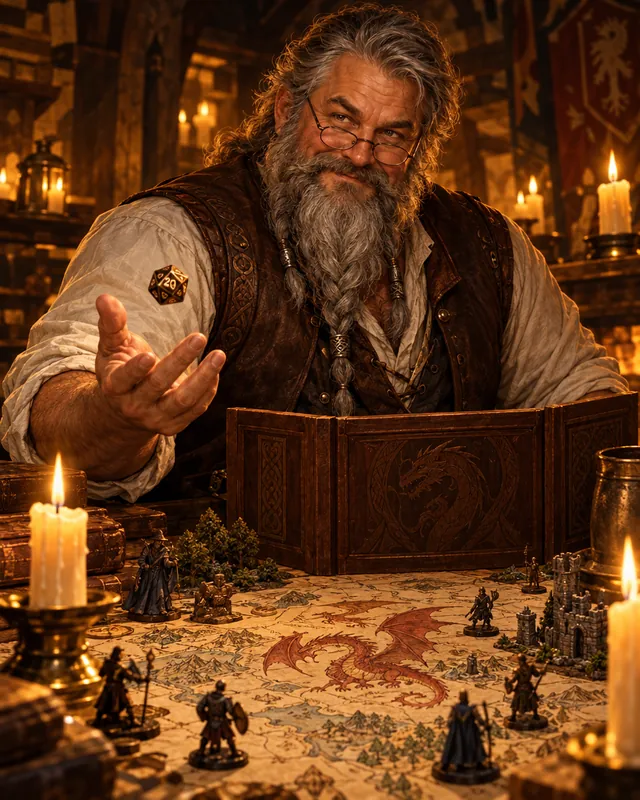 Grimm the Dungeon MasterA full tabletop campaign, run just for you